
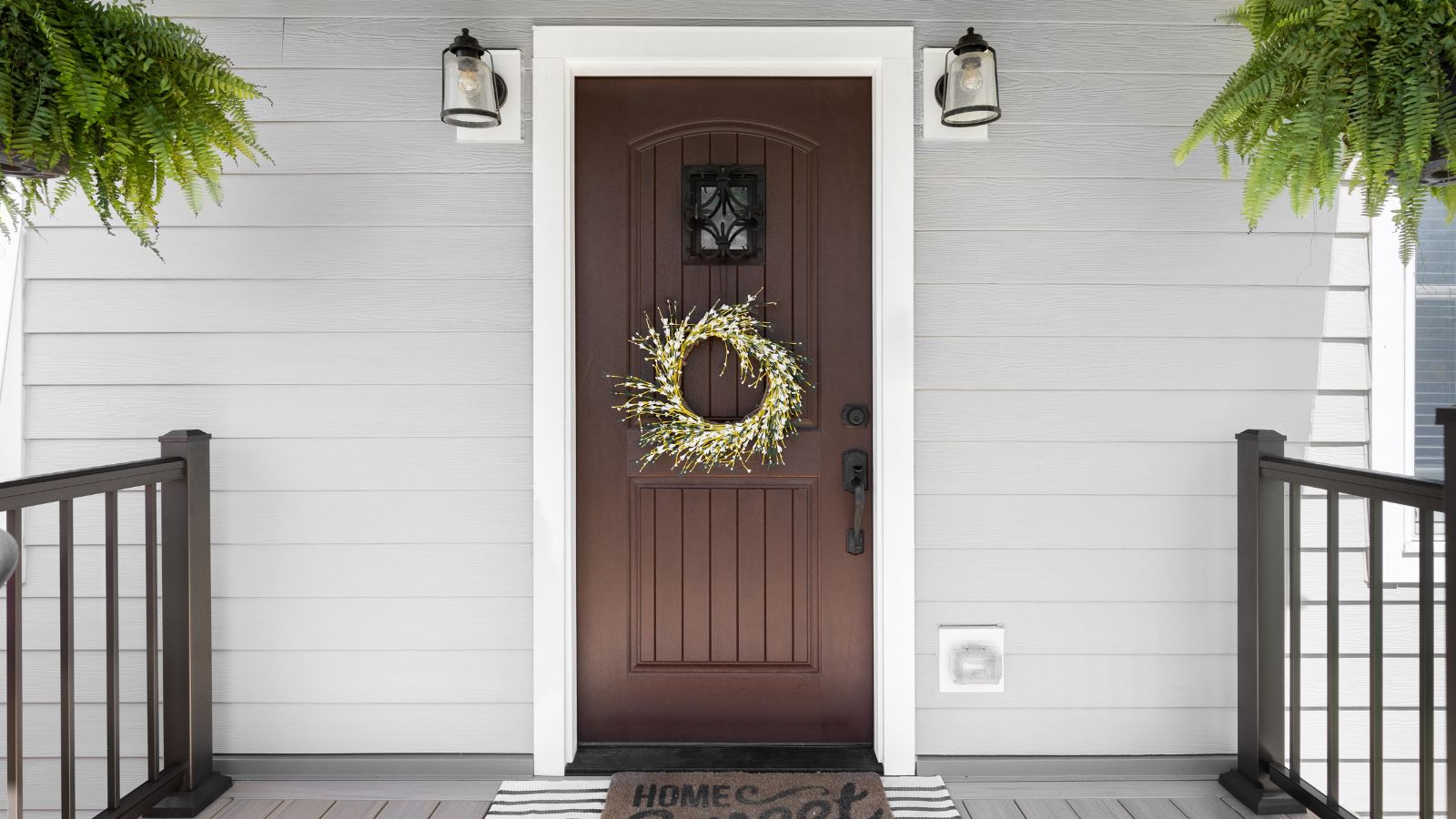
Drafty windows and doors are a common source of heat loss and discomfort in many homes. Cold air can slip in through cracks and gaps around entryways, making living spaces less comfortable and driving up utility bills. Spotting and sealing these entryway leaks can save money and improve home comfort.
Common entryway leaks happen where doors meet the frame, under thresholds, or near weather stripping that has worn down. Identifying these problem spots is straightforward with simple tests like feeling for cold air or using a lit candle to see where the flame flickers. Fixing drafts usually involves adding or replacing weatherstripping, applying caulk, or installing door sweeps.
Addressing drafts early prevents energy waste and helps your HVAC system maintain a steady temperature. Taking care of entryway drafts ensures fewer cold spots and contributes to more comfortable homes year-round. The following tips show how to find and fix entryway leaks effectively.
Addressing Drafts: Spotting and Fixing Common Entryway Leaks
Identifying Entryway Drafts
Entryway drafts can come from tiny gaps and cracks or worn seals around window frames, doors, and nearby walls. Finding these leaks involves observing physical signs, using practical tools to detect airflow, and identifying which areas typically allow cold air to enter.
Common Signs of Entryway Leaks
One noticeable sign is a cold spot near the door or along the floor at the threshold. People may also feel a slight breeze or detect uneven temperatures in the entryway compared to other rooms.
Other signs of entryway leaks include higher energy bills during cold months, frayed weatherstripping, or visible gaps between the door frame and the wall. Doors that are hard to close tightly often indicate misalignment, which can let air through.
Checking for dirt or dust accumulation near door edges can also help spot drafts. These particles settle in cracks and gaps where air moves freely in and out.
Tools and Methods for Draft Detection
A simple way to find entryway leaks is to light an incense stick and slowly move it near the door edges. Slowly moving the flame or smoke near the door edges reveals airflow when it flickers or moves sideways.
Thermal imaging cameras can detect cold spots, while a blower door test can professionally gauge how much air escapes your house.
Draft detection strips or handheld anemometers can measure airflow speed near gaps. These tools provide data to identify and prioritize leaks for repair.
A professional energy audit combines these methods and finds hidden leaks inside walls or ceilings.
Areas Most Vulnerable to Drafts
The space under the door is one of the most common draft points, especially if the door lacks a proper sweep or threshold seal. Surrounding window frames, hinges, and locks can loosen, causing leaks that let drafts enter your home.
Hinges and locks can also cause entryway leaks if their fittings loosen or wear out. Weatherstripping around the entire door frame often wears down over time and fails to block airflow effectively.
Wall areas around the entryway, including cracks near window sills or baseboards, add to air leakage. Electrical outlets on exterior walls near the entryway may also be sources of drafts if not insulated properly.
Causes of Door and Entryway Leaks
Leaks and drafts around entry doors often come from worn materials, gaps, or damage to the structure. Identifying the exact cause helps target the right fix. Common issues include failing seals, broken door frames, and spaces beneath the door.
Poor Sealing and Weatherstripping
Weatherstripping seals the gap between the door and frame to block air and water. Over time, it can crack, tear, or get compressed, losing its effectiveness. Older homes often have worn weatherstripping, which lets cold air in and warm air out.
Replacing worn weatherstripping is usually simple and low-cost. Materials like foam tape, rubber, or vinyl strips help create a tight barrier. Regular checks help catch damage early before leaks develop. Poor seals not only cause drafts but can also invite bugs and moisture inside.
Damaged Door Frames
Door frames can warp, crack, or rot due to age, moisture, or physical damage. A damaged frame won’t sit tight against the door, causing uneven gaps that let air and water pass through. Wood frames are especially vulnerable to rot from damp conditions.
Signs of frame damage include visible cracks, peeling paint, or a door that sticks or doesn’t close properly. Repair might involve replacing parts of the frame or, in severe cases, the entire door unit. Fixing frame damage improves energy efficiency and prevents further structural issues.
Gaps Between Floor and Door
The space between the bottom of the door and the floor is a common entry point for drafts and leaks. Normal use can cause this gap to widen, especially if the floor settles or the door sags.
Door sweeps or threshold seals can cover this gap to block air and water. These devices are easy to install and come in different materials like rubber, brush, or vinyl. Measuring the exact gap size ensures the correct product is used for a snug fit, preventing heat loss and moisture entry.
Effective Solutions for Fixing Entryway Drafts
Fixing entryway drafts means targeting the areas where air leaks the most. This includes the space between the door and frame, cracks around the edges, and the bottom part of the door. Addressing these spots can greatly reduce cold air from entering and lower energy bills.
Installing or Replacing Weatherstripping
Weatherstripping is the first line of defense against drafts. It seals gaps between the door and the frame to block cold air. Over time, weatherstripping can wear out, crack, or lose its shape, making it less effective.
When installing new weatherstripping, choose materials like foam, rubber, or vinyl. Measure the door perimeter accurately before buying. Remove old weatherstripping carefully and clean the surface.
Apply the new strip firmly along the door edges, ensuring no gaps remain. Check that the door closes smoothly without extra force. Replacing worn weatherstripping can stop drafts and improve comfort immediately.
Sealing Gaps With Caulk or Foam
Small cracks and gaps around the door frame let air leak through. Caulk and spray foam are good options to seal these hard-to-reach areas.
Use a high-quality exterior caulk to fill visible cracks between the door frame and the wall. Apply a smooth, continuous bead and smooth it out with a tool or finger. Let it dry completely.
For larger gaps or spaces under the door frame, expanding spray foam works well. It expands to fill voids and insulates against air flow. Be careful not to use too much, as excess foam can warp frames.
Both caulk and foam create a tight seal, stopping drafts and preventing moisture from entering.
Repairing or Replacing Thresholds
The threshold is the bottom part of the door where drafts often sneak in. A worn or damaged threshold can create a gap between the door and floor.
Check for cracks, rot, or warping in the threshold. If damaged, replace it with a new one that fits the door size closely. Thresholds come in materials like aluminum, wood, or vinyl.
If the threshold is intact but not sealing well, adding a door sweep or rubber gasket can help. These accessories attach to the bottom of the door and block air flow.
Fixing the threshold seals off that last entry point for drafts and helps you maintain an energy-efficient home.
Maintaining an Airtight Entryway
Keeping an entryway sealed against drafts requires using the right sealing materials and regularly checking for gaps. Proper materials ensure long-lasting protection, while routine upkeep catches new leaks early before they cause heat loss or discomfort.
Choosing the Right Materials
Using effective materials is key to sealing drafts well. Common products include weatherstripping, caulk, and door sweeps. Weatherstripping is useful around door edges and frames, and it comes in foam, rubber, or vinyl. Each type fits different door styles and sealing needs.
Caulk is best for filling small cracks or gaps around the door frame. Silicone or latex-based caulk works well because it stays flexible and resists cracking over time.
Door sweeps are installed at the bottom of doors to block cold air from slipping underneath. They can be made of rubber or vinyl and should fit tightly against the floor or threshold.
Choosing materials that fit the specific entryway and climate conditions gives the best protection against drafts.
Routine Inspection and Upkeep
Regular checks are important to keep an airtight seal. Homeowners should inspect doors at least twice a year, especially before cold seasons.
A simple method to find leaks is to close a door on a thin piece of paper. If it slides out easily, the seal needs work.
Inspect weatherstripping and door sweeps for wear or damage. Replace any parts that no longer fit snugly.
Also, look for cracks or holes around the frame and reapply caulk if it has cracked or pulled away. This prevents new drafts from forming.
Routine cleaning of entryway seals is also helpful. Dirt and debris can reduce the effectiveness of weatherstripping, so wiping these areas with a damp cloth can keep them working properly.
Frequently Asked Questions
Drafts often show specific signs like cold spots and unusual noises near doors. Sealing methods vary, from weather stripping to foam sealants. Different materials suit different gap sizes. Deciding between DIY and professional help depends on skill level and draft severity.
Regular inspection keeps entryways tight. Weather stripping targets key leak points to improve insulation.
What are the typical signs that indicate a draft in an entryway?
A common sign is feeling cold air near the door edges or under the door. You might hear whistling or rattling sounds when the wind blows. Doors that are hard to close or gaps visible when the door is shut can also suggest drafts.
How can you effectively seal gaps to prevent cold air from entering?
Applying weather stripping around the door frame is a main way to seal gaps. For larger spaces, foam sealant or door sweep strips can block air flow. Ensuring the door closes tightly without forcing it also helps reduce leaks.
What materials are best suited for insulating an entryway to stop drafts?
Rubber and foam weather stripping work well for small gaps. For bigger cracks, expanding foam or rope caulk offers better coverage. Door sweeps made of vinyl or metal with a rubber edge seal the bottom of doors effectively.
Is it better to DIY draft-proofing or to hire a professional for entryway leaks?
DIY works fine for small, visible gaps and quick fixes. If drafts come from multiple or hidden areas, a professional can identify and seal leaks more thoroughly. Professionals also apply durable materials for long-term results.
What routine maintenance can prevent future drafts from developing?
Check door seals regularly and swap out worn weatherstripping. Keep hinges and frames tight to avoid misalignment and gaps. Clean sliding door tracks so they close fully. These small steps help keep drafts out every time you enter your home.
How does weather stripping work, and where should it be applied to reduce entryway drafts?
Weather stripping blocks gaps around window and door frames by creating a flexible barrier that seals up tight when you close the door. Stick it along the sides and top of the door frame where most of the entryway drafts try to enter your home.
Don’t forget the bottom edge. Adding weather stripping there stops air from slipping in beneath the door, which helps you avoid higher energy bills and keeps your place feeling like a more energy-efficient home.
Discount Window and Door of Omaha – Window Replacement Company
At Discount Window and Door of Omaha, we are committed to providing the best quality doors and replacement windows. We employ the most skilled installers to ensure the highest standard of quality service. Our Omaha door and window installers are highly trained, certified industry professionals with years of experience, including some second and third-generation employees.
Contact us for a FREE Estimate!
See the Value: The Long-Term ROI of Energy-Efficient Doors
When it comes to performance and return on investment, energy-efficient doors are one of the most impactful upgrades you can make. They support lower energy costs, help in reducing energy consumption, and open opportunities for tax credit incentives. Despite the higher upfront cost, these doors make sense for homeowners who are thinking ahead.
If you’re ready to take a step toward better comfort, smarter energy use, and meaningful long-term gains, it’s time to explore energy-efficient doors. Connect with a trusted local installer to find a style that fits your home and your future.