
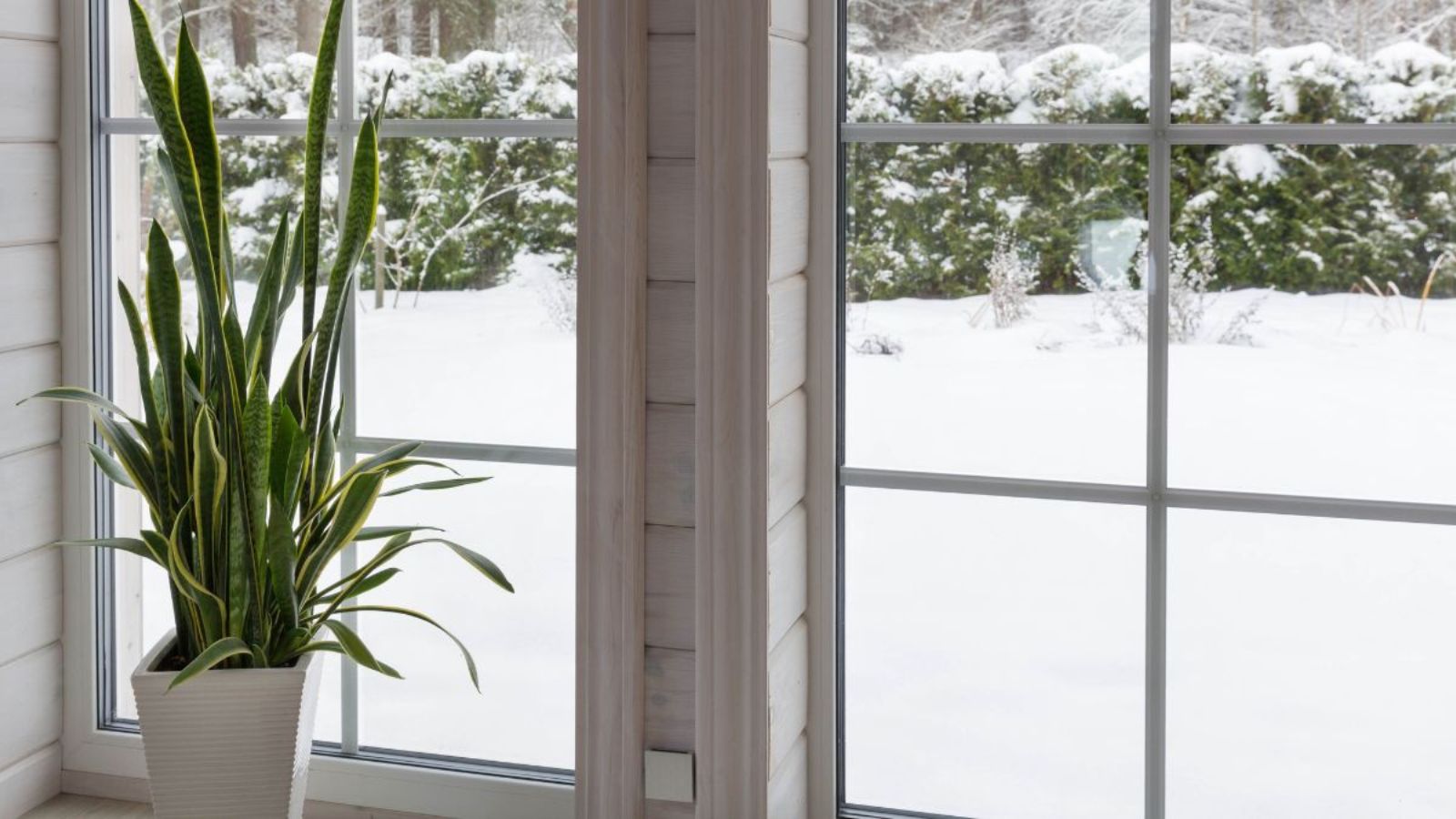
Winter heat loss from windows can be reduced by upgrading to energy-efficient models, often lowering heating bills and improving indoor comfort. Replacing old, drafty single-pane windows with new double- or triple-pane windows can help save energy.
These modern windows use low-emissivity coatings and are installed correctly. The amount of savings depends on the climate and the condition of the current windows.
How Much Can New Windows Reduce Winter Heat Loss?
Impact of New Windows on Winter Heat Loss
New windows cut heat loss by improving insulation, stopping drafts, and lowering heating needs. They change how much heat moves through glass and frames, how much cold air leaks in, and how often a furnace runs.
Thermal Insulation Performance
New windows use better glazing and frames to slow heat flow. Double- or triple-pane glass with inert gas (argon or krypton) and low-emissivity (low-E) coatings reduces conduction and radiation through the window. Frames made from vinyl, fiberglass, or thermally broken aluminum add insulation at the edges, where heat loss is usually highest.
U-factor measures how well a window insulates; a lower U-factor means less heat loss. In a cold climate, choosing windows with U-factors around 0.20–0.30 can cut conduction losses compared to older single-pane units with U-factors near 1.0. Proper installation and sealed spacers maintain the rated performance.
Reduction in Energy Costs
Replacing old windows can lower winter heating bills because the heating system runs less often. Typical estimates show windows account for about 25–30% of a home’s heating and cooling energy use, so upgrading can yield noticeable savings.
Savings depend on climate, window quality, and house size. In colder regions, efficient windows reduce heat loss the most and shorten furnace runtime. Homeowners often see steady month-to-month reductions in fuel or electric use, especially during the coldest months when heat loss from windows is previously highest.
Prevention of Drafts and Air Leakage
New windows stop drafts by sealing gaps around frames and using better weatherstripping. Even small gaps let cold air in and warm air out, forcing the heating system to replace lost heat continuously.
A tight installation includes proper flashing, foam insulation in the frame cavity, and durable seals. Tests like blower-door and infrared inspections show fewer air leaks after replacement. Reduced air leakage improves comfort immediately, with fewer cold spots near windows and more even indoor temperatures.
Factors Influencing Heat Loss Reduction
Different choices about frames, glass, and installation change how much heat a window keeps in. The size of the window, climate, and how the unit is installed also affect real-world savings.
Window Frame Materials
Frame material affects how much heat moves through the edge of the window. Aluminum frames conduct heat quickly unless they have a thermal break. Fiberglass and vinyl have lower conductivity and reduce heat flow better than unbroken aluminum. Wood insulates well but needs maintenance to avoid gaps that let cold air in.
Frame design matters too. Frames with multiple chambers or foam-filled cavities increase insulation. Narrower frame profiles increase glass area, which can raise or lower heat loss depending on the glass performance. Choose frames rated for the local climate and look for the manufacturer’s U-factor data for direct comparison.
Glazing Technologies
Glazing drives most of a window’s insulating power. Double-pane glass with a low-emissivity (low-E) coating and an inert gas fill (argon or krypton) cuts conductive and radiative heat loss compared to single-pane glass. Triple-pane units add extra insulation but cost more and weigh more.
Glass spacing and gas fill matter. Wider gaps (around 12 mm) with argon typically perform best for double-pane units, while krypton works better in tighter spaces typical of triple-pane units. Low-E coatings come in different types; specific coatings target winter heat retention by reflecting interior heat into the room. Compare U-factor and SHGC values when choosing glazing.
Installation Quality
Installation determines whether window performance in the lab translates to the house. Poor sealing, gaps, or misalignment create air leaks that bypass even high-performance glass and frames. Proper flashing, continuous air barriers, and correct shimming ensure the window sits square and airtight.
Installer technique influences thermal bridging and moisture risk, too. Compressible foam or gasket systems, rather than rigid sealants alone, allow movement without gaps. Post-installation checks, including blower door tests or infrared scans, identify leaks so they can be fixed for reliable winter heat savings.
Frequently Asked Questions
What are the energy efficiency ratings to look for when choosing windows to reduce heat loss?
Look for a low U-factor; lower numbers mean better insulation. In cold climates, aim for U-factors around 0.20–0.30 for the best performance.
Check the Solar Heat Gain Coefficient (SHGC) when passive solar gain matters. Higher SHGC can help if sunlight contributes to heating, but lower SHGC helps reduce heat loss at night.
Also review the NFRC label and ENERGY STAR certification for verified performance. These labels give consistent test-based numbers to compare windows.
How does window insulation contribute to heat retention in the winter?
Insulated windows reduce heat flow from the warm interior to the cold exterior. That means the heating system runs less and indoor temperatures stay steadier.
Multiple panes with gas fills slow heat transfer through the glass. Low-emissivity (low-e) coatings reflect interior heat into the room.
Seals, spacers, and proper frame insulation prevent drafts and lower conductive losses. Good sealing also stops warm air from leaking around the window.
Can replacing old windows make a difference in home heating costs?
Yes, replacing single-pane or poorly sealed windows can cut heating-related energy use noticeably. Many homes see measurable savings, often in the range of 10–25% for heating-related costs, depending on climate and window quality.
Savings depend on the starting condition of the windows and local weather. Proper installation and choosing high-performance units make the difference between small gains and large savings.
What types of window glazing are most effective for conserving heat?
Double-pane and triple-pane insulated glazing are most effective at reducing heat loss. Triple-pane offers the best insulation in very cold climates.
Argon or krypton gas fills between panes improve thermal resistance. Low-e coatings reduce radiative heat loss without blocking visible light.
How do properly installed windows minimize heat escape during colder months?
Proper installation ensures tight seals between the window and the wall, stopping air leaks. It also prevents gaps that allow cold air to bypass insulation.
Correct flashing and insulation around the frame prevent moisture and thermal bridging. A well-installed window keeps the framing cavity insulated and reduces heat transfer.
What role does window frame material play in preventing winter heat loss?
Frame materials vary in thermal performance. Wood and fiberglass frames insulate better than aluminum because they conduct less heat.
Thermally broken aluminum and vinyl frames with insulated cores also reduce heat flow. Choosing frames that match climate needs helps lower overall window heat loss.
Discount Window and Door of Omaha – Window Replacement Company
At Discount Window and Door of Omaha, we are committed to providing the best quality doors and replacement windows. We employ the most skilled installers to ensure the highest standard of quality service. Our Omaha door and window installers are highly trained, certified industry professionals with years of experience, including some second and third-generation employees.
Contact us for a FREE Estimate!
See the Value: The Long-Term ROI of Energy-Efficient Doors
When it comes to performance and return on investment, energy-efficient doors are one of the most impactful upgrades you can make. They support lower energy costs, help in reducing energy consumption, and open opportunities for tax credit incentives. Despite the higher upfront cost, these doors make sense for homeowners who are thinking ahead.
If you’re ready to take a step toward better comfort, smarter energy use, and meaningful long-term gains, it’s time to explore energy-efficient doors. Connect with a trusted local installer to find a style that fits your home and your future.