
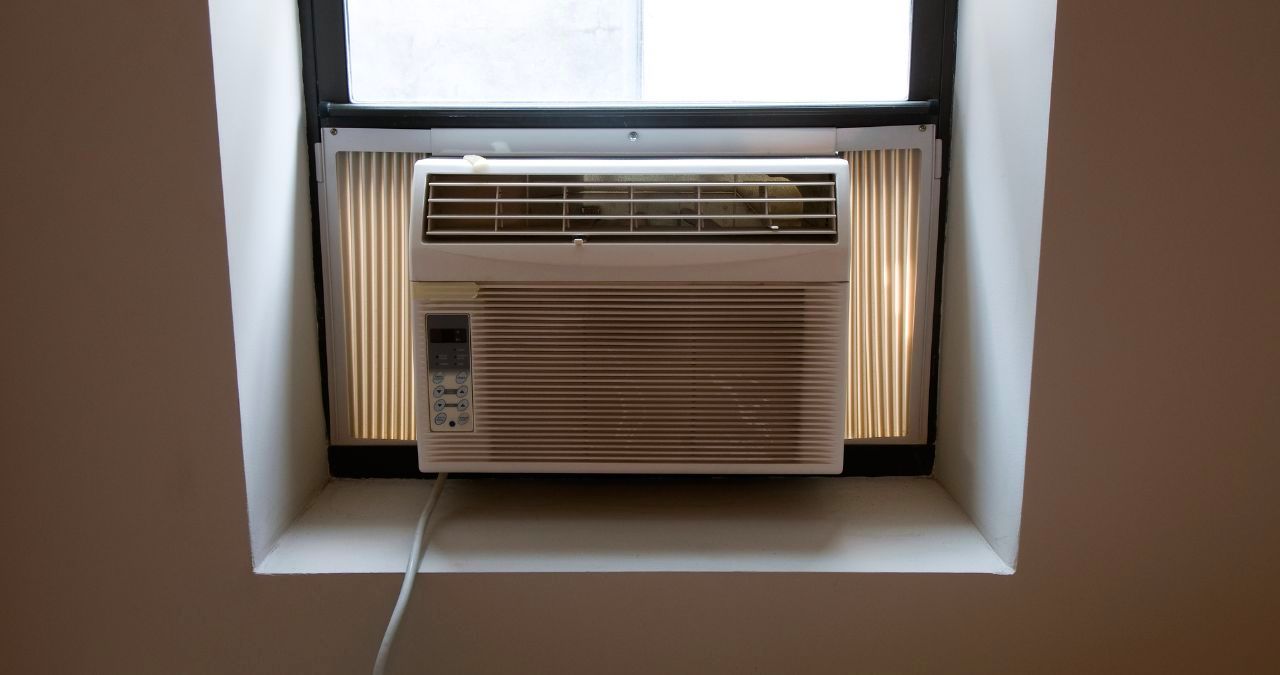
As summer temperatures climb, many homeowners begin looking for reliable ways to stay cool. One popular solution is a window air conditioner in window setups. Before purchasing one, it’s important to understand how these units work and what factors influence proper installation. This article determines whether a window-mounted system is the right choice for your space. Let’s take a closer look at what to expect from a window air conditioning setup.
Can Window Air Conditioners Fit in Any Window?
Window-mounted air conditioners are popular and effective cooling solutions, but they may not fit every window. Here’s what you should know about window air conditioners and how to install an air conditioning unit in a window in your home, office, or apartment.
What Is a Window Air Conditioner?
Window air conditioners are built to fit securely within a window frame, allowing them to draw in outside air and deliver cooled, filtered air into the room. Unlike portable air conditioners, window units save floor space by remaining mounted in the window and are designed to operate out of the way while providing effective temperature control.
Key features of window air conditioners include:
• Fast cooling performance, delivering noticeable temperature reduction within seconds
• A compact, space-saving design that frees up floor area compared to portable units
• Dual operation, providing both cooling and consistent ventilation at the same time
Buying the Right Air Conditioner for Your Window
Window air conditioners offer an affordable cooling solution, typically costing less than portable air conditioners but more than standard fans. The size and cooling capacity of the unit should be selected based on the room’s dimensions, ensuring efficient and effective performance without unnecessary energy use.
Notable benefits of window air conditioners include:
- Quiet Operation: Designed to operate with minimal noise, these units maintain comfort without disruption.
- Effective Air Circulation: Window ACs pull fresh air from outside rather than merely recirculating indoor air, ensuring better ventilation.
- Wide Availability: Units are easily accessible through local retailers or online marketplaces.
- Simple DIY Installation: Most models include installation kits with brackets and hardware, making setup straightforward.
- Energy Efficiency: Many models are Energy Star-certified, helping reduce electricity consumption and costs.
If you are uncertain about installing a window air conditioner yourself or prefer not to handle it as a DIY project, consult your local window company for guidance. Many window specialists are happy to provide expert advice or assistance to ensure your new AC unit is installed safely and performs at its best.
Determining If a Window AC Unit Will Fit Your Window
The answer depends on several factors, so the fit is not guaranteed for every situation. Key considerations are:
- You cannot place a window air conditioner in a window where the frame cannot support its weight
- Air conditioners cannot be installed in windows with obstructions, such as skirting, that prevent proper placement.
Selecting the right type of window for your home is essential to ensure a smooth installation. Most AC units fit standard single or double-hung windows with a movable window sash, though some minor adjustments may be necessary before installing the unit.
Window air conditioners rarely fit casement windows because of their vertical design, making vinyl and wood windows better suited for an air conditioning unit in a window.
Window air conditioners come in various sizes, making accurate measurements of the window’s width and height essential before installation. Proper sizing ensures a secure fit and reliable performance.
DIY installation is not recommended for those without experience, as incorrect setup can create safety issues. Renters should also get permission from their landlord before making any changes to the window.
If there is uncertainty about how the air conditioning unit fits with the existing window, a local window company can evaluate the setup and advise on any adjustments needed for a safe and proper installation.
How to Install an Air Conditioner on a Window
Installing an air conditioner on a window can be a simple DIY project if done carefully. Before installation, inspect the window frame and sill to make sure they are in good condition and strong enough to support the unit. Remove screens or storm window obstructions if needed and clear the surrounding workspace.
Here’s a step-by-step guide:
1. Gather Tools: Use the installation kit provided with the unit, including support brackets and hardware.
2. Prepare the Window: Clean the frame and ensure it is free of debris.
3. Place the Unit: Set the air conditioner in the window, aligning it with the frame.
4. Double Check: Check that the unit is positioned according to the manufacturer’s instructions, including any slight outward tilt needed for proper drainage.
5. Secure Brackets: Attach the brackets to provide stability and prevent the unit from tipping.
6. Seal Gaps: Use weatherstripping to seal any gaps around the unit, ensuring maximum cooling efficiency.
Additional Tips for Air Conditioners on Windows
- Maintenance: Clean the filters regularly to ensure optimal performance.
- Energy Savings: Close curtains or blinds during the hottest part of the day to reduce the unit’s workload.
- Safety: Always secure the unit properly to avoid accidents or damage.
- Filter Care: Clean or replace the filter regularly based on the manufacturer’s recommendations to maintain airflow and efficiency.
- Check the Seal: Inspect weatherstripping and any foam insulation around the unit from time to time to make sure cooled air is not escaping.
- Inspect Outdoor Components: Make sure the outdoor side of the unit stays free from dirt, leaves, or debris that could interfere with performance.
Frequently Asked Questions
Does a window AC unit have to be outside?
A window AC unit must extend outside the window because the back of the unit releases heat. Keeping this portion outside allows the system to expel warm air efficiently while cooling the indoor space.
Can I install a window AC unit in a sliding or casement window?
Standard window AC units usually don’t fit sliding or casement windows, but specialized models or custom frames make installation possible. If unsure, consider a portable unit or professional help for best results.
Do window air conditioners need to be removed in winter?
Removing window ACs in winter prevents drafts and damage from freezing. If left in place, use an insulated cover to block cold air.
Can window AC units help improve indoor air quality or filter allergens?
Some window AC units come with advanced filters, such as HEPA, which trap dust and allergens. Regular filter cleaning keeps indoor air quality higher.
What are the common problems if the unit leaks water into my room?
Water leakage can signal improper installation, blocked drain channels, or excessive condensation, which should be addressed promptly. Fix gaps or clean drains promptly to prevent problems.
Additional Reading: Room or Window Air Conditioners
Discount Window and Door of Omaha
At Discount Window and Door of Omaha, we are committed to providing the best quality doors and replacement windows. We employ the most skilled installers to ensure the highest standard of quality service. Our Omaha door and window installers are highly trained, certified industry professionals with years of experience, including some second and third-generation employees.